
Hand Tool SIG this Saturday 2/13/2021, register and get your Zoom link.
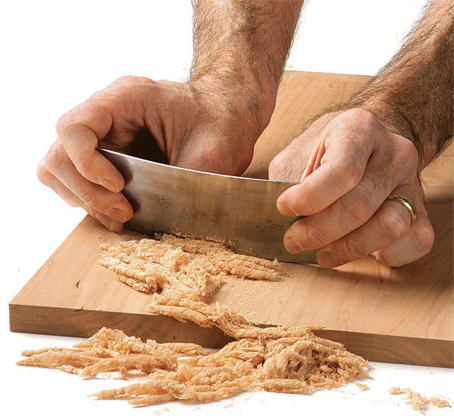
This coming Saturday our Hand Tool SIG will look at the simple actions needed be successful with a Card Cabinet Scraper. We will also be discussing how to choose and use a new card scraper so that you can unleash the power of this humble and frequently overlooked tool.
Like many woodworkers, when I have completed a piece It has many small machine marks, imperfections, dents and little ridges on the surfaces and before applying a finish, I need the surface of the wood to be smooth and even in surface texture.
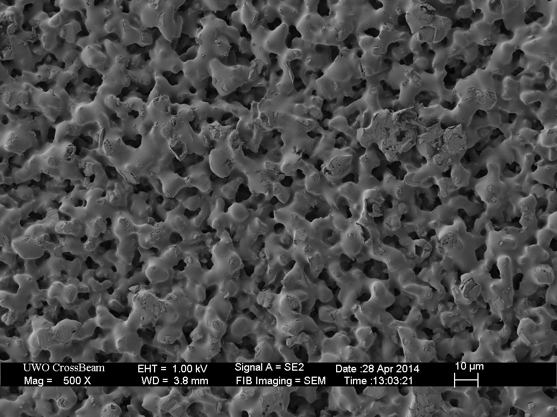
Those of us who are lucky enough to have experienced people to learn from, are usually taught that the way to prepare the surface is to sand it using progressively finer grits until it is smooth enough to take a finish but not smooth enough to prevent the finish sticking to the wood. Starting with a coarse grit such as 150 and progressing through 180 to 220 one creates an increasingly fine scratch pattern evens out the surface of the wood and prepares it for finish. Even a super fine paper such as the 8000 grit shown here gives a super fine scratch pattern smaller than the eye can see, giving the illusion of smoothness.
https://66.media.tumblr.com/6580bab0df327032430d1612d0001c43/tumblr_n61fypzuTv1sig0jto1_1280.jpg

Although the Chinese were the first to apply ground sea shells to gummed paper in the 1300’s, commercially available sandpaper was not available until the 1830’s and more modern compounds that made it more effective and durable were introduced in the 1930’s. Since then sandpaper has become the tool of choice for finish prep.
As you are aware, American and European furniture makers have been finishing wood to the highest standards for hundreds of years without the benefit of modern sandpaper. So how did they do it?
They started out by using a plane known as a smoother, or smoothing plane that smoothed the surface by removing shavings often less than 1000th of an inch thick. On many wood surfaces, the smoother leaves a slightly polished looking surface that is ready for finish.
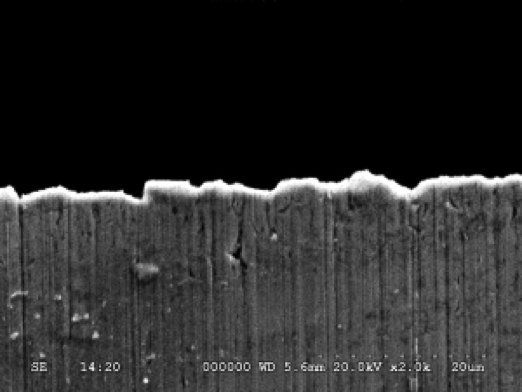
As you can see in the electron microscope image below, even a blade sharpened on an 16000 grit stone does not have a “perfect” cutting edge and sometimes not even the best smoothing plane can give us the results we want.
https://hocktools.files.wordpress.com/2010/11/8000x-shapton-s5-2kx.jpg

On some woods or surfaces with grain changes a plane can cause tear out, making the surface rougher, not smoother. When the plane was no longer helpful our traditional woodworker would turn to an incredibly simple tool that was often made from the blade of a worn out saw.
A small rectangle of steel would be cut from the old saw and repurposed into a Cabinet scraper. The edges and faces would be filed and ground until the edges were straight and at 90 degrees to the faces. At this point the corners would be rolled over to create a tiny blade that can work wonders on contrary grain and removes any remaining tool marks. Rather than leave a scratch pattern, this tool cuts extremely fine shavings and can be used on knots and other challenging grain patterns.
Join us this Saturday 2/13/ 2021 at 10.00 am and find out how to prepare, sharpen and use these amazing, underrated tools.